


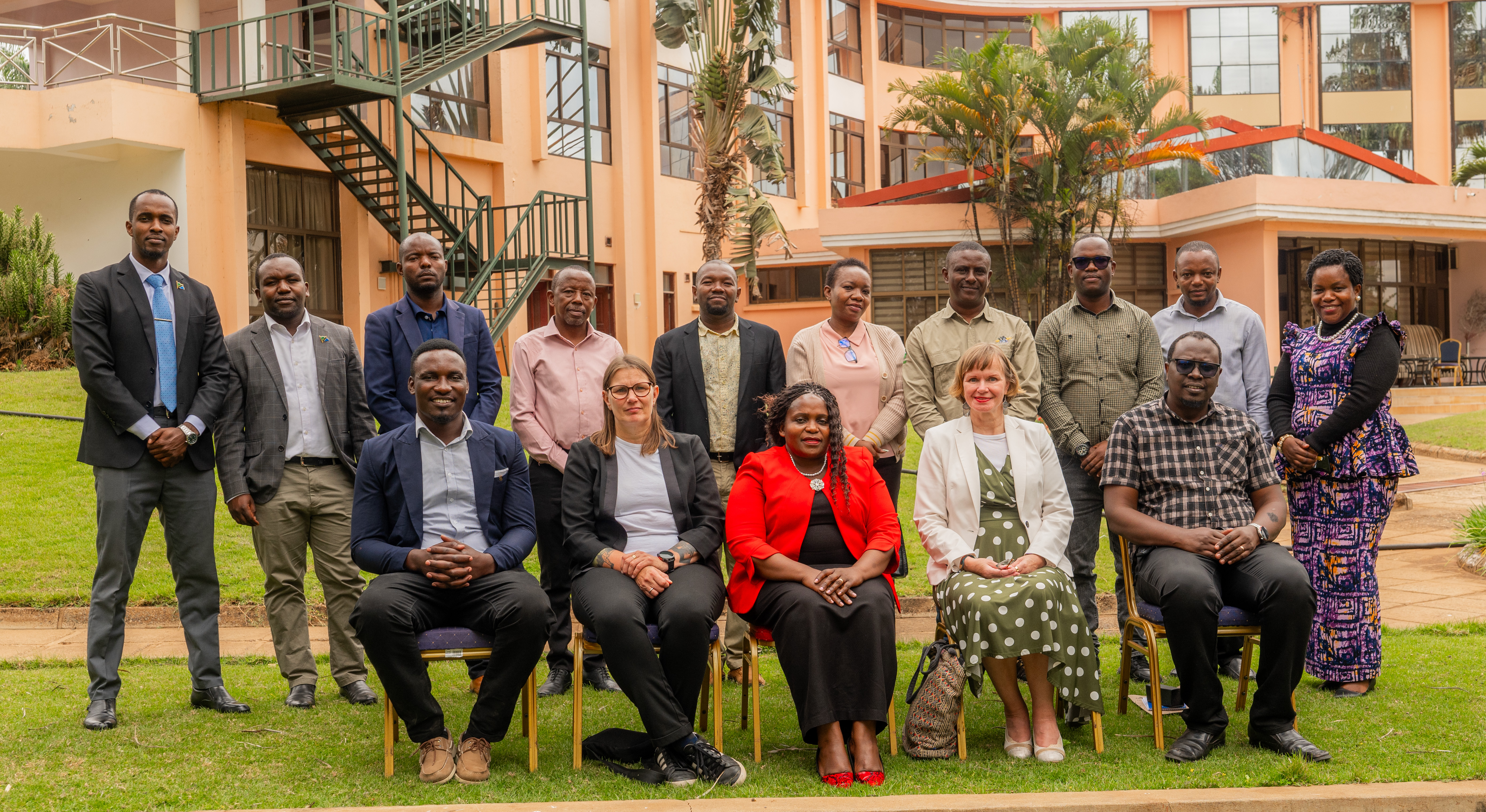
The Vocational Education and Training Authority (VETA) recently convened a series of impactful Stakeholders’ Meetings aimed at enhancing industrial collaboration between VETA and its diverse partners. These meetings were held across three key locations: VETA Hospitality and Tourism Training Institute (VHTTI) in Arusha, Mlimani City Conference Hall in Dar-Es-Salaam and Karume Institute of Science and Technology (KIST) in Zanzibar, bringing together representatives from government institutions, regulatory bodies, training institutions, and the private sector to discuss the future of the VET industry in Tanzania.
The gatherings form part of the broader TVET@Work Project, an ambitious initiative designed to strengthen the relevance, quality, and accessibility of technical and vocational education in Tanzania. By promoting demand-driven training programmes, fostering strategic partnerships with industry, and encouraging innovation, the project seeks to enhance youth employability and contribute to national productivity.
A central focus of the meetings was to discuss and reinforce collaborative approaches that align technical and vocational training with the evolving needs of the labour market. Participants engaged in dynamic discussions on how to bridge the gap between education and employment by tailoring skills development to real-world industrial demands.
One of the key outcomes of the stakeholder engagements is the development of a Guideline for Industrial Collaboration. This upcoming framework will provide a structured approach for collaboration between VETA, industries, and other key players within the TVET ecosystem. It will offer clear strategies for involving industry in areas such as curriculum development, practical training, internships, and employment linkage.
By hosting these regional meetings, VETA has demonstrated its commitment to creating a responsive and industry-driven vocational training system. The diversity of participants and the geographical spread of the meetings reflect the nationwide effort to build a TVET framework that supports inclusive growth and prepares Tanzanian youth for meaningful participation in the workforce.
As Tanzania continues its path toward industrialization and economic transformation, these collaborative initiatives stand as a testament to the power of partnership in shaping a skilled and competitive workforce for the future.